

Kamchatka Krai
Kamchatka: Where the Earth Breathes
Volcanic silhouettes, a Pacific harbour and rivers full of life: discover a peninsula that makes geography feel wonderfully real.
01 / DISCOVER
Region at a Glance
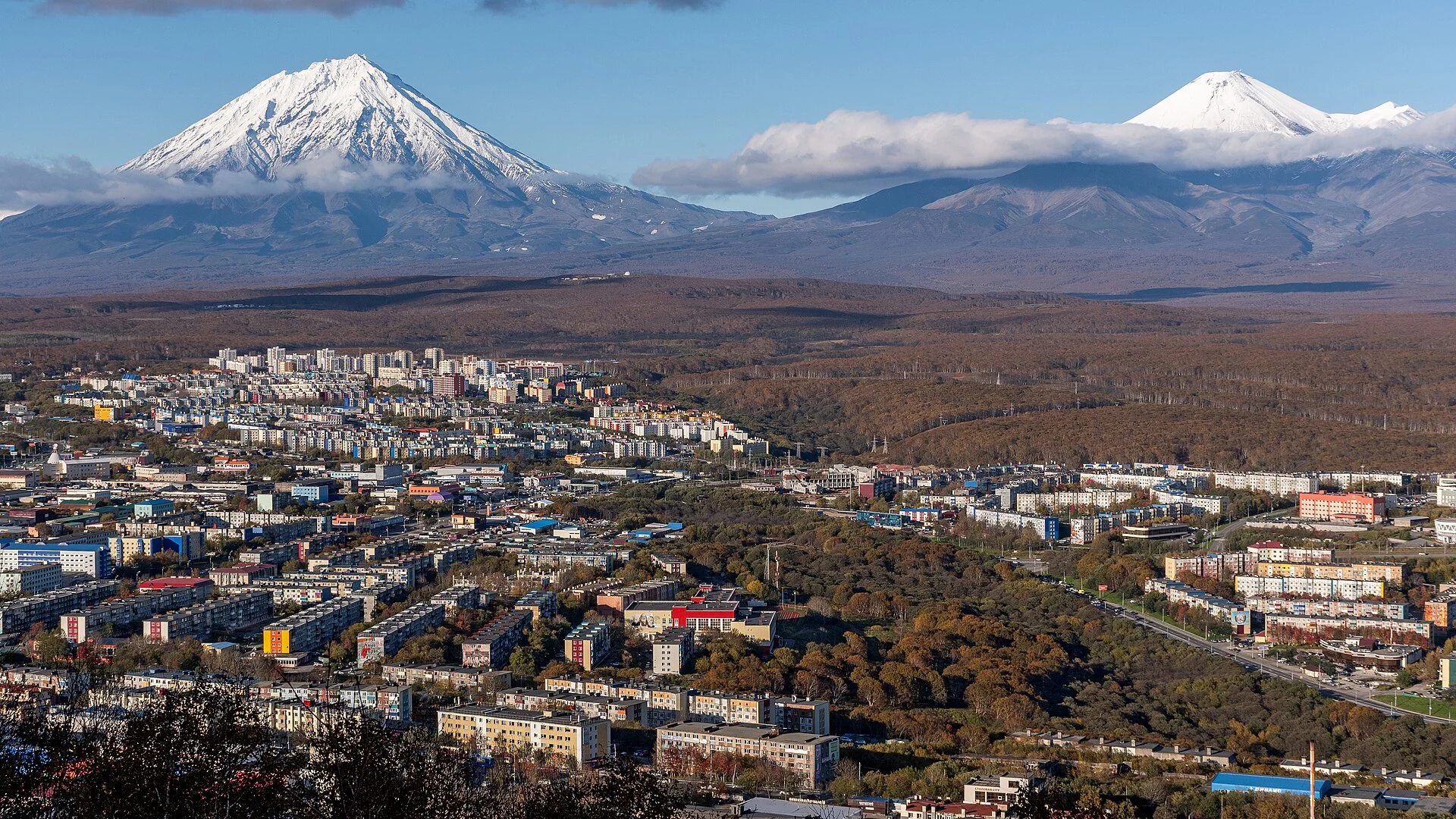
Kamchatka stretches into the North Pacific in Russia's Far East. Its regional capital, Petropavlovsk-Kamchatsky, stands beside Avacha Bay, with volcanoes rising beyond the city. This is a place to think in landscapes: mountains, rivers, coastal cliffs and long distances. Our guide follows the connections between them, from the harbour's human stories to the salmon that support an entire ecosystem.
02 / DISCOVER
A Short History
Indigenous communities lived on the peninsula long before the voyages recorded in European expedition journals. Petropavlovsk's founding date is 1740, when the ships Saint Peter and Saint Paul arrived during the Second Kamchatka Expedition. Their names became part of the city's identity. The waterfront is a useful starting point for exploring how navigation, fishing and scientific exploration shaped the region.
03 / DISCOVER
Culture & Traditions
Kamchatka is home to several Indigenous peoples, including Itelmens, Koryaks, Evens, Chukchi and Aleuts. Their languages and histories are distinct; one label cannot tell every community's story. Reindeer herding and coastal ways of life appear in local cultural traditions. We would visit a museum or a community-led event, listen to the hosts and ask permission before photographing people or performances.
04 / DISCOVER
Nature
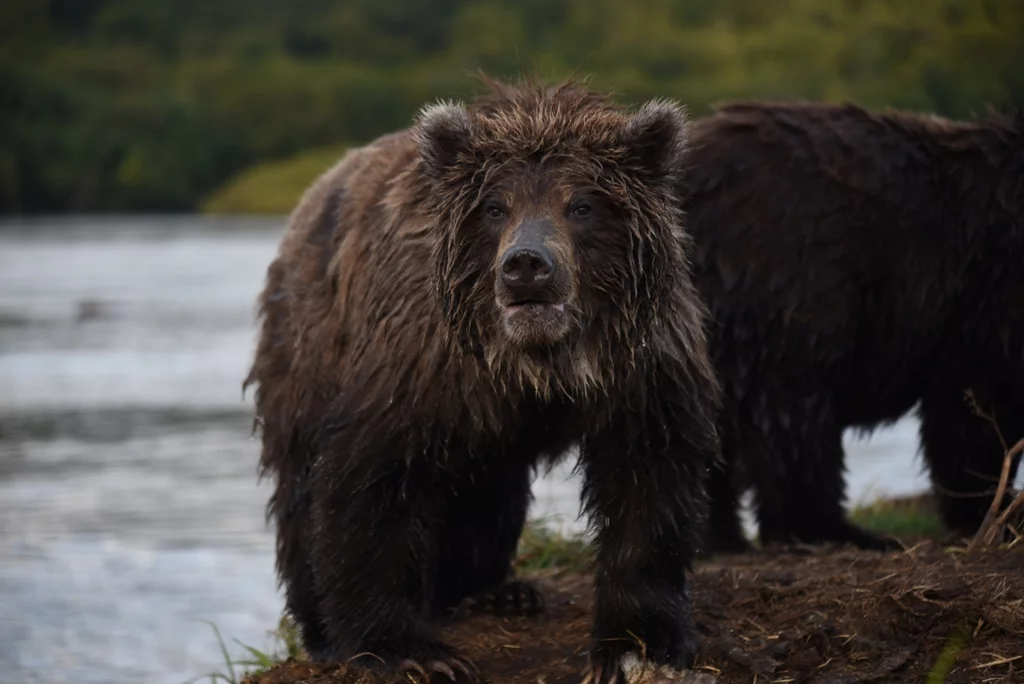
The UNESCO-listed Volcanoes of Kamchatka bring together volcanic landforms, glaciers and rich wildlife habitats. Kurile Lake offers a vivid example of ecological connections: sockeye salmon enter its waters to spawn, attracting brown bears. The lake belongs to the South Kamchatka Sanctuary. Observing animals there means joining an authorised excursion and following the reserve staff's instructions, with space left for wildlife to behave naturally.
05 / DISCOVER
People to Know
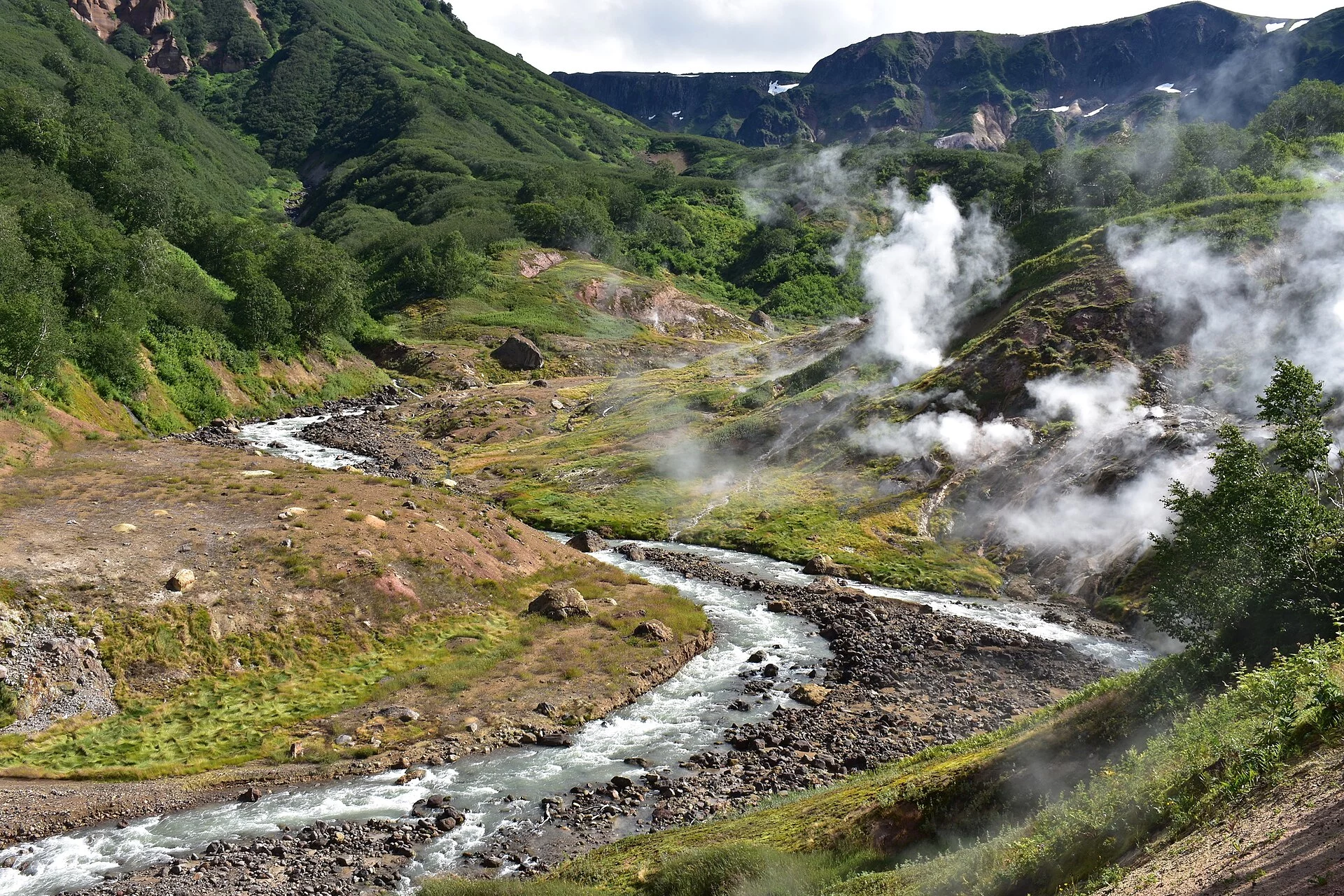
Two names belong beside any photograph of the Valley of Geysers: geomorphologist Tatyana Ustinova and reserve observer Anisifor Krupenin. In 1941 they found the first geyser and later explored the valley itself. Their work reminds us that geography depends on patient observation and cooperation. Today's reserve researchers and inspectors continue that work by studying natural processes and caring for fragile places.
06 / DISCOVER
Top Places to See
- Petropavlovsk-Kamchatsky: begin with the waterfront and a viewpoint over the city.
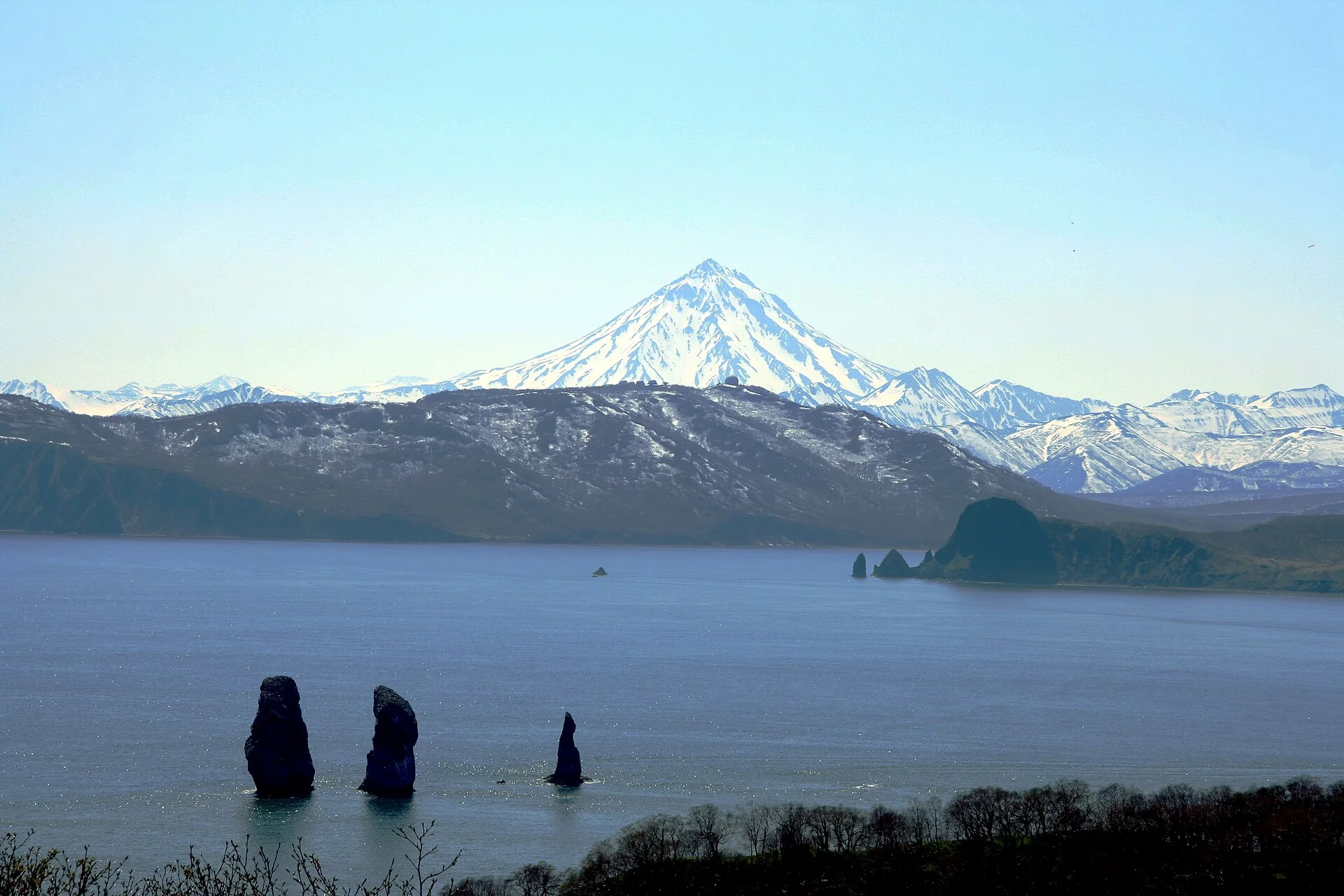
- Avacha Bay: look for the Three Brothers sea stacks near its entrance.
- The volcanic skyline: identify Avachinsky and Koryaksky from an appropriate viewpoint.
- Kurile Lake and the Valley of Geysers: plan these as separate organised excursions, checking access, weather and available time.
07 / DISCOVER
Did You Know?
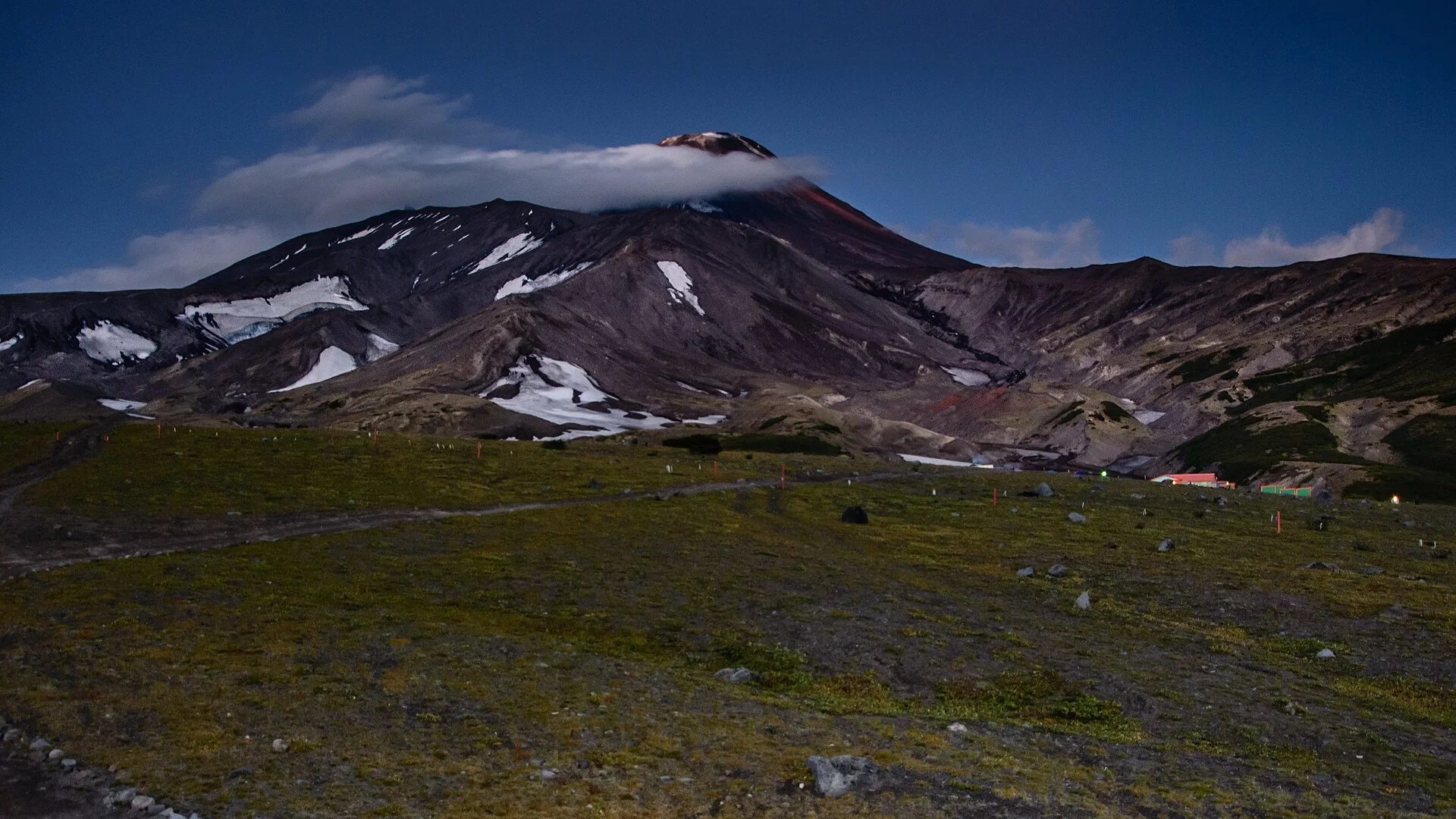
The Volcanoes of Kamchatka entered the UNESCO World Heritage List in 1996; the property was expanded in 2001. It comprises six component areas rather than one continuous sightseeing route. Another surprising detail is that scientists count salmon entering Kurile Lake at a monitoring barrier. A spectacular wildlife photograph can therefore lead to a story about long-term research.
08 / DISCOVER
Why Visit Our Region?
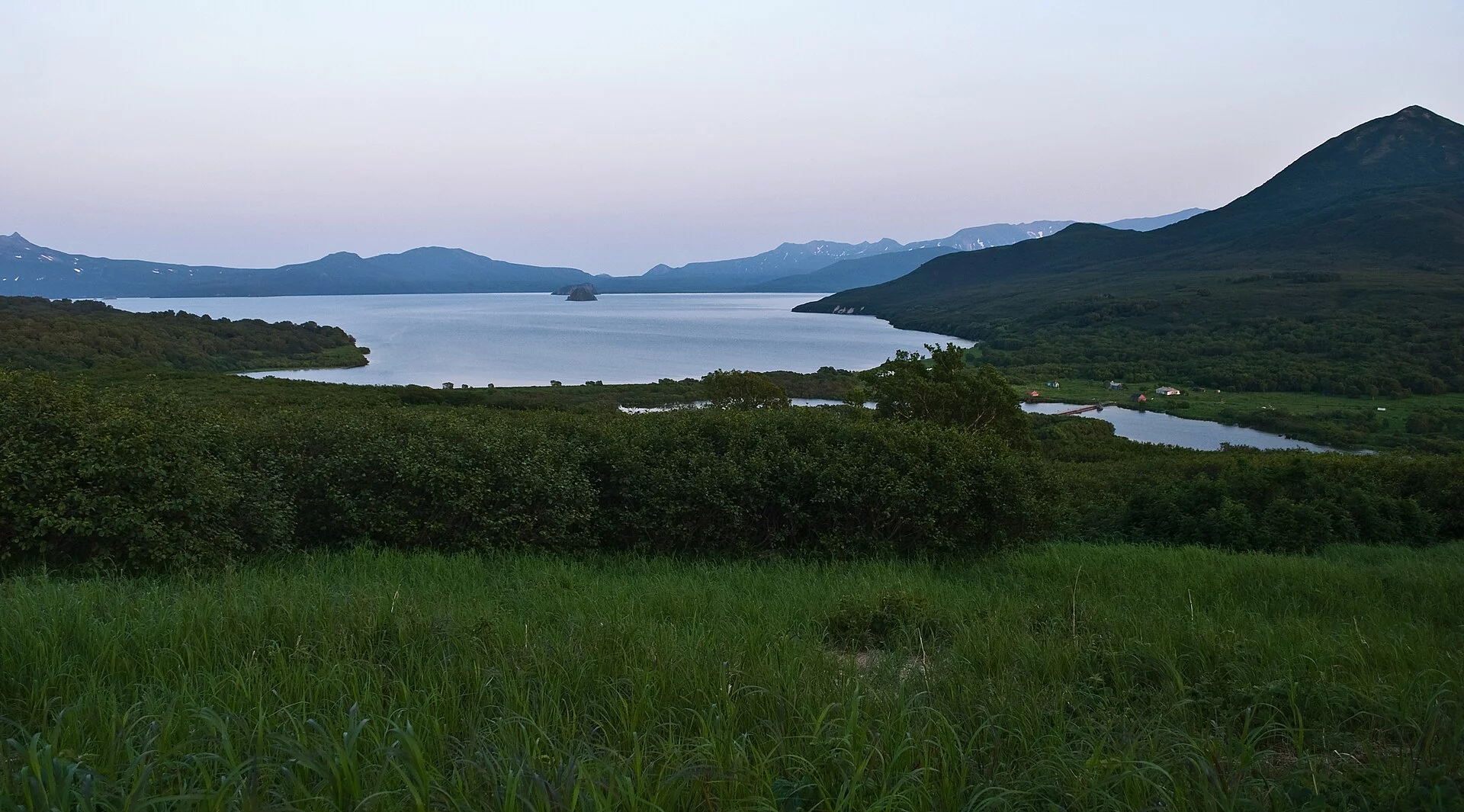
We would come to Kamchatka to connect classroom subjects with real places. A volcanic slope opens a discussion about geology; a salmon river introduces ecology; the harbour suggests stories about travel and exchange. The reward is also quieter: watching a cloud move across a summit or noticing how the colour of the bay changes. Leave time to observe instead of collecting destinations.
09 / DISCOVER
Your Perfect 3-Day Trip
- Day 1 — meet the city. Explore Petropavlovsk's waterfront, visit a local museum and find a city viewpoint. Sketch the mountains you can see.
- Day 2 — follow the coast. Choose a guided Avacha Bay outing when conditions permit. Compare the sea stacks, cliffs and harbour, then write a short field diary.
- Day 3 — understand the landscape. Arrange a suitable guided excursion near the volcanic foothills, or choose an indoor cultural programme if weather changes. Reserve remote helicopter destinations for a longer visit with flexible plans.
10 / RESEARCH
Sources
- UNESCO World Heritage Centre — Volcanoes of Kamchatka
- Official Kamchatka tourism portal — History and riches of Kamchatka
- Official Kamchatka tourism portal — Peoples and languages of Kamchatka
- Kronotsky Nature Reserve — Exploring the Valley of Geysers in 1941
- Kronotsky Nature Reserve — The ecosystem of Kurile Lake
- Official Kamchatka tourism portal — Petropavlovsk-Kamchatsky
- Photo 1: Nikita Zhuravlev · CC BY-SA 4.0
- Photo license: CC BY-SA 4.0
- Photo 2: Kamczadałka · CC BY-SA 3.0
- Photo license: CC BY-SA 3.0
- Photo 3: kuhnmi · CC BY 2.0
- Photo license: CC BY 2.0
- Photo 4: Rubin16 · CC BY-SA 4.0
- Photo 5: Kasimys · CC BY-SA 4.0
- Photo 6: Velecot · CC BY-SA 4.0
11 / MADE TOGETHER
Our Team




Published 13 Nov 2026, 23:02 MSK · Updated 14 Nov 2026, 04:20 MSK